From Conventional to Clean Technology

 November 1, 2025
 4 Min Read

Summary :
With EV costs dropping and ranges improving, the main hurdle now is accessible charging infrastructure. Developers, societies, and workplaces must collaborate to set up affordable AC slow-charging “E-zones” for seamless EV adoption.
Access to charging could become a roadblock to quicker EV adoption.
Many OEMs are working on cost reduction, technology to improve range; a lack of infrastructure could be an obstacle. With EV prices getting corrected, ranges increasing EV charging becomes the top barrier.
To set up charging stations, another looming question is big-energy demand. Total energy demand for EVs will see an exponential rise from the current connected or demand load. EV’s can recharge at multiple locations in multiple ways – these cases of charging are homes, residential complexes, societies, workplaces, public spaces and highways.
For home, workplaces, public spaces, developers, owners, occupiers have a considerable role to play, especially in metros and tier1-2 cities.
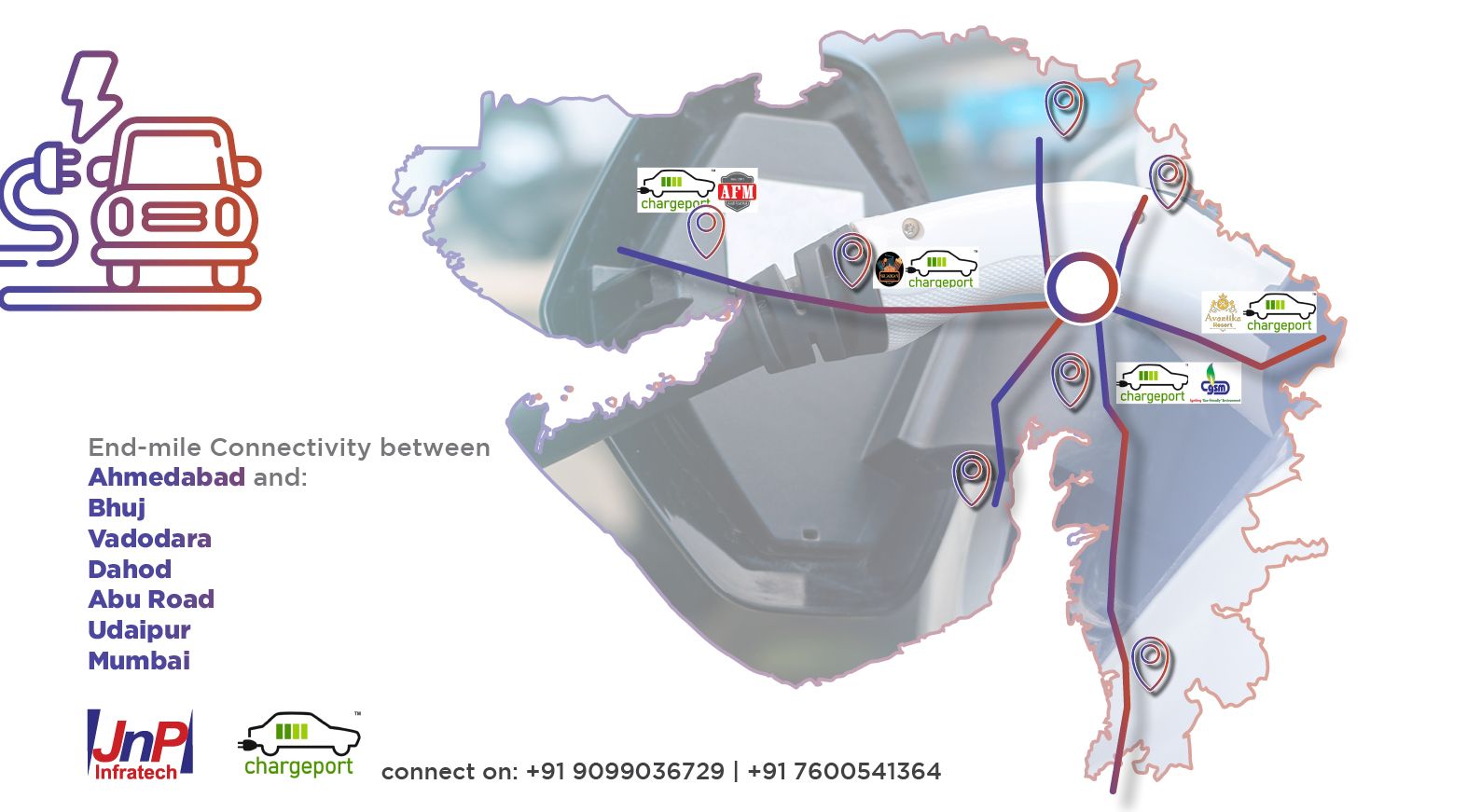
Individual homeowners are very few, with most people in metros and Tier1-2 cities residing in societies and townships. To help create end-mile connectivity, ie. Home to workplaces, public places and back home – establish e-zones in residential societies, high-street zones, workplaces, malls, etc., converting few car parks to start within existing societies and buildings.
People tend to follow a charging hierarchy that starts at home. Most EV’s remain parked for 8-12 hours at night ad home charging can be easy and often cheaper. The reason is residential electricity is relatively cheaper. But at apartments, the connected load is limited, and hence individual charging stations will be challenging for both the societies and respective individual owners. Creating E-zones and offering this as an amenity in residential areas, commercial developments, workplaces, and malls becomes the responsibility of residential communities and developers. They also have the option of revenue generation from the users. Smart-metering systems provide easy to use, app-based solutions. The industry, developers, owners must stack hands that can enable a broader adoption. Closing the gap will require collaborative efforts. The cost of EVs is coming down with government incentivisation; technology is improvising to address the mileage and range issues. The immediate impediment lies with creating EV charging infra easily accessible to EV owners.
With low capital investment for AC-slow chargers, which are the suited solutions for residential and workplaces; societies, occupiers, developers should come forward in setting up these.
Electric
November 1, 2025
Charging Forward: Powering a Cleaner Future with E-Mobility
E-mobility is transforming transportation by reducing carbon emissions and offering lower operational costs. Through collaboration with corporates, industries, and cities, we deliver complete e-mobility solutions that integrate advanced technology, cost-effective...
Battery / BEV
November 1, 2025
Driving the 1.5° Pathway: Building a Greener Future Through EV Infrastructure
We’re accelerating the transition to sustainable mobility through a growing EV charging network spanning highways, cities, and towns. By partnering with leading OEMs and service providers, we enable safer, cleaner,...